What Does Stained Glass Window Film Look Like?
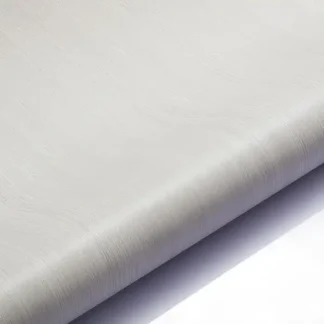
Quality stained glass effect film reproduces the jewel-toned colours, the apparent depth, and the light transmission qualities of traditional leaded glass convincingly. When natural daylight passes through the film, the coloured panels illuminate with the same warm luminosity as the real thing, casting coloured light into the interior space. The lead line detailing that defines each section of colour in the design reads as authentic from both inside and outside the building, and from a normal viewing distance, the difference between film and genuine stained glass is not obvious.
Design choices range from classic Victorian and Edwardian geometric and floral patterns through to Gothic tracery, Art Nouveau curves, and more contemporary interpretations. There are designs that suit period properties authentically and designs that work as deliberate decorative statements in modern spaces. Abode Window Films’ range covers enough variety that finding something suited to the specific period and style of a property or interior is a realistic expectation rather than a hopeful one.
Where Is Stained Glass Window Film Most Effective?
Front door sidelights are one of the most popular applications. Many period homes had decorative stained glass panels flanking the front door that were replaced with plain glass during renovation or through damage, leaving the exterior and hallway interior with far less character than the original design intended. Stained glass film restores that decorative quality without commissioning bespoke craft work, and the result from the exterior is, in most cases, indistinguishable from real leaded glass by a passing observer.
Bathroom windows represent the other most common domestic use. The dense colour and pattern of stained glass effect film provides excellent privacy, obscuring visibility through the glass in a way that is far more characterful than frosted or obscured alternatives, while still allowing light into the room. A bathroom window treated with stained glass film has a quality that standard privacy solutions simply do not match aesthetically.
Stair and landing windows, internal glazed doors and partitions, conservatories, and kitchen windows are all frequently treated with stained glass effect film. In commercial settings, restaurants, cafés, hotels, bars, offices, and places of worship have all used this product to add decorative character to standard glazing. Churches needing inexpensive refurbishment of plain replacement panes, heritage buildings wanting to restore decorative glazing without the cost of leaded panels, and hospitality venues creating a specific ambience are among the commercial customers for whom this product is a natural solution.
Does Stained Glass Film Provide Privacy?
Yes, meaningfully so. The colour density and pattern complexity of a stained glass design significantly reduce visibility through the glass from outside. This is not the uniform opacity of frosted film but a selective, design-specific obscuring that varies across the panel according to the colour and pattern depth. The result is substantially more private than plain glass and more decoratively interesting than frosted film, which is why bathroom windows are such a common application.
The privacy quality is most effective during daylight hours when the exterior is bright. During evening hours with interior lighting on, visibility through any glass increases, which is true of stained glass film as well as the real thing.
Is Stained Glass Window Film Easy to Install?
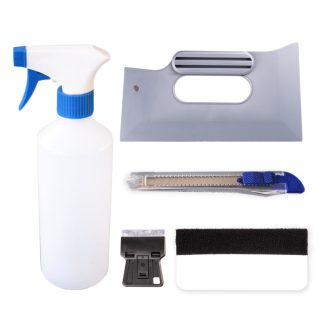
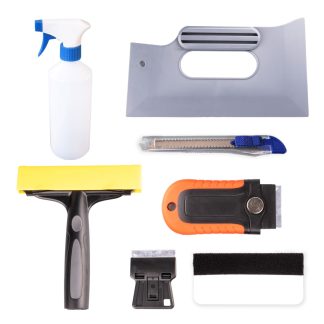
Yes. Stained glass effect film is applied using the same wet installation method as all Abode Window Films products. The glass surface is sprayed with a dilute soapy solution, the film is applied and positioned, and a squeegee is used to remove water and bond the film to the glass. Full installation instructions are included with every order.
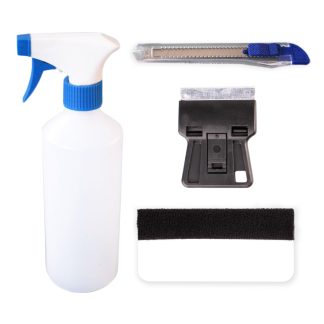
Installation kits are available to purchase from the Abode Window Films website and contain the squeegee, spray bottle, and trimming blade that make the process considerably easier and more likely to produce a clean, professional result. For windows with unusual shapes, such as arched tops or circular portholes, careful measurement and patient trimming during the installation process is the key to achieving a neat edge. The Abode team is available to advise if you have questions before or during installation.
How Does Stained Glass Film Compare to Real Stained Glass?
The visual quality of the best decorative window films is genuinely impressive, and from a normal viewing distance, the effect is convincing. What film does not and cannot replicate is the three-dimensional quality of hand-leaded glass, the texture of mouth-blown historical glass panels, or the provenance that comes from authentic architectural glazing. For a heritage restoration context where authenticity is the goal, real stained glass is the right answer. For every other context where the visual effect is what matters and cost, reversibility, and installation practicality are real considerations, stained glass window film is a rational and effective solution.